Lifestyle
Why Does Your Skin Look Better When You Work Out?
BY
Anjali Tiscia
Nov 26, 2025
Back
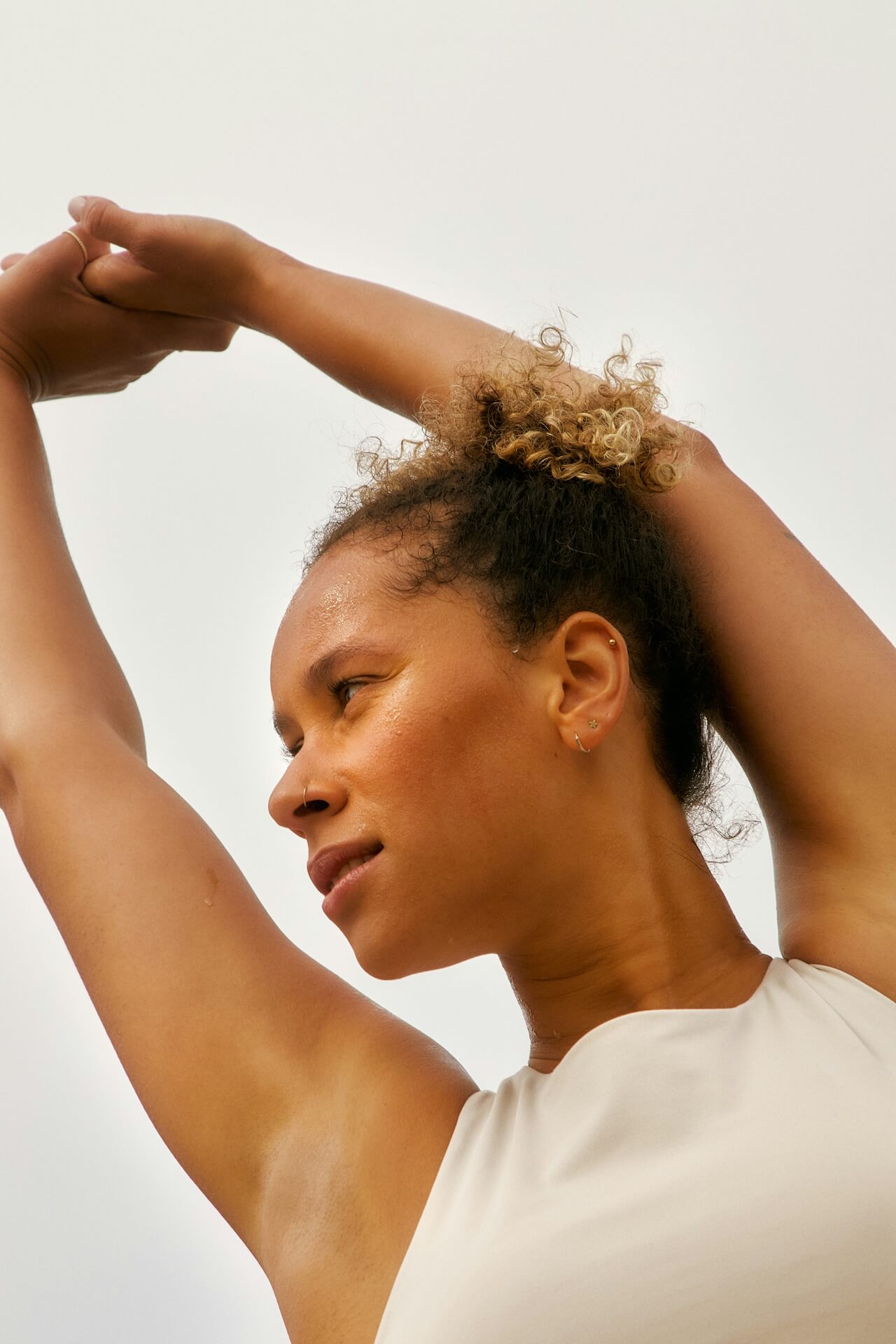
When we think about glowing skin, most of us immediately think about skincare products, treatments, and supplements. But one of the most powerful (and often underestimated) tools for healthy, glowing skin, is movement.
Exercise impacts our skin both immediately and over the long term, working through circulation, hormones, inflammation, sleep quality, stress levels, and even detoxification. In fact, regular movement is one of the most holistic, whole-body investments we can make for our skin health.
Below we discuss exactly how exercise benefits our skin, from the glow we get after a single workout to the deeper anti-ageing effects that build over time.
The Immediate (Short-Term) Skin Benefits of Exercise
Increased Blood Flow:
During exercise, our heart rate rises and blood circulation increases. This delivers:
More oxygen to skin cells
More nutrients (like amino acids and antioxidants)
Faster removal of cellular waste
This improved circulation is what gives our skin that temporary plumpness and brightness straight after movement.
Supports Natural Detoxification Through Sweat:
While our liver and kidneys do the heavy lifting for detoxification, sweating does help support the elimination of:
Urea
Excess salts
Environmental toxins
More importantly, sweating helps unclog pores and flush out impurities that may otherwise contribute to congestion and breakouts, especially when followed by proper cleansing.
Regulates Stress Hormones:
Even one bout of exercise can lower cortisol (our primary stress hormone). Since cortisol directly increases:
Oil production
Inflammation
Acne activity
Skin barrier breakdown
This means our skin can calm down at a hormonal level after movement, even on the same day.
The Long-Term Skin Benefits of Regular Exercise
Short-term glow is great but the real magic happens with consistency.
Slows Down Skin Ageing at a Cellular Level:
Research shows that regular exercise helps preserve telomere length, the protective caps at the end of our DNA that shorten with age. Shorter telomeres are associated with:
Wrinkles
Loss of elasticity
Thinning skin
Exercise also increases mitochondrial activity, helping skin cells produce energy more efficiently and supporting repair, regeneration, and collagen production.
Improves Skin Hydration, Collagen & Elasticity:
Maintaining sufficient blood flow to the skin, which is enhanced by activities like exercise, is essential for preserving skin hydration.
Exercise also stimulates the secretion of growth hormone, which is involved in the production of collagen. In the skin, collagen is responsible for skin elasticity and thickness. A decrease in collagen content leads to skin wrinkling and thinning. Exercise also:
Improves nutrient delivery to fibroblasts (collagen-producing cells)
Reduces chronic inflammation that breaks collagen down
Improves circulation to deeper skin layers (the dermis)
This supports firmer, thicker, more resilient skin over time.
Regulates Hormones That Affect Skin:
Exercise improves insulin sensitivity, helps balance androgens, and supports healthy oestrogen metabolism; all key players in:
Acne
Pigmentation
Skin oil production
Inflammatory skin conditions
For those dealing with adult acne, PCOS-related breakouts, or hormonal flare-ups, exercise can form part of a holistic management strategy.
Strengthens the Skin Barrier Indirectly:
By reducing systemic inflammation and improving circulation, exercise supports:
Stronger lipid production in the skin
Better hydration retention
Increased resistance to environmental stressors
When the barrier is strong, our skin is less reactive, less dry, and more resilient overall.
Impacts Gut Microbiome Diversity:
Greater diversity of microbes in our gut microbiome is linked to better overall health, including the health of our skin.
Studies have shown that exercise, particularly aerobic (cardio) exercise, increases certain bacterial species that are linked to improved gut health, including Bacteroides and Roseburia.
Exercise, Sleep & Skin:
Sleep is when your skin does its deepest repair work:
Collagen production peaks
Cellular turnover increases
Inflammation lowers
Dark circles fade as circulation normalises
Exercise improves:
Sleep onset (you fall asleep faster)
Sleep depth (more time in deep sleep)
Sleep consistency
Better sleep = better skin. It’s that simple.
When someone struggles with dull skin, persistent inflammation, or premature ageing, poor sleep is often a hidden driver, and regular movement is one of the most powerful ways to regulate it naturally.
Exercise, Stress & Skin:
Stress is one of the biggest silent contributors to:
Acne
Eczema
Psoriasis
Rosacea
Premature wrinkles
Exercise:
Lowers cortisol
Increases serotonin and dopamine
Regulates the nervous system
Reduces systemic inflammation
This directly reduces inflammatory signals that trigger flare-ups in sensitive and reactive skin types.
Does Exercise Ever Worsen Skin?
Exercise itself is not the problem, but how we treat our skin around exercise matters.
Potential issues include:
Leaving sweat on the skin too long
Wearing occlusive makeup during workouts
Not cleansing post-exercise
Friction from tight, polyester clothing
These can contribute to:
Acne mechanica (friction-based breakouts)
Folliculitis
Congestion
The fix is simple:
Cleanse after sweating
Avoid heavy makeup when training
Wear breathable fabrics
Keep hair off the face
What Type of Exercise is Best for Skin?
There’s no single “perfect” workout for skin, but the best results come from balance:
Strength training: Supports hormone balance, insulin sensitivity & collagen preservation
Low-intensity cardio (walking, cycling): Improves circulation & lymphatic flow
High-intensity exercise: Improves insulin sensitivity and growth hormone release
Yoga & Pilates: Reduces cortisol & supports lymphatic drainage